The chicken was nearly there — so the player cashed out
The typical Chicken Road mistake is to treat the rising multiplier as evidence that the next lane will be safe. It is not. Every road introduces a fresh random outcome, and the difficulty setting determines the number of lanes and the overall risk rather than making one successful crossing more predictable.
This review follows the game through its first ten minutes, first hour and first week. It is written for UK players considering real-money play, not for promotional copy: expect a fast, volatile experience with an always-present wager requirement, and approach any balance as money you could lose.
First ten minutes: the temptation to chase one more lane
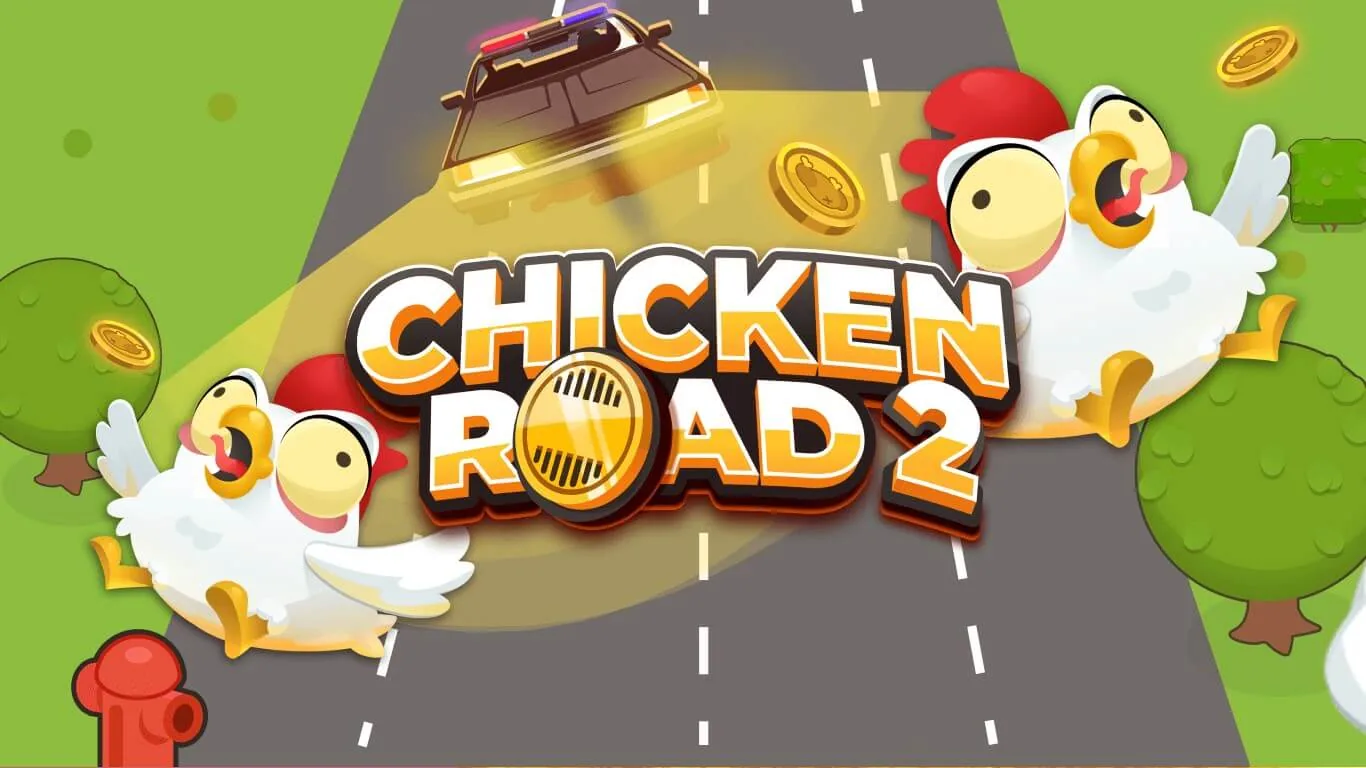
Chicken Road, also known as Chicken 2 Road, places a cartoon chicken in front of a multi-lane road. Cars appear randomly, the multiplier rises as the chicken advances, and a collision ends the round immediately. The player may cash out at any point during the crossing. This is a crash-style instant game with a road-crossing theme, not a conventional fixed-paytable slot.
The interface creates urgency without requiring frantic clicking. Choose Easy for 30 lanes and the lowest chance of being hit, Medium for 25 lanes and moderate risk, Hard for 22 lanes and higher risk, or Hardcore for 18 lanes and the highest risk. A cash-out button is clearer than deciding after the chicken has moved. This speed is useful for short sessions, but it also makes it easy to move from a planned stake to an unplanned recovery bet.
The verdict: quick entertainment, poor fit for a small bankroll
Chicken Road suits players who enjoy immediate decisions, clearly visible multipliers and the ritual of setting a cash-out target. It also works well on a phone because the play loop is compact. It is less suitable for someone seeking bonus-led play, long spins, a large collection of features or a slow strategy session. The road theme adds personality, but it does not materially reduce the underlying randomness.
The mathematics are straightforward in structure but demanding in practice. The stake is always at risk, the potential return rises with every completed lane, and cashing out locks in the current multiplier. A longer road offers more opportunities to reach a chosen target, while a shorter road reaches higher-risk territory sooner. There is no guarantee that a target will be reached, and losing sequences remain part of the product even when the interface looks friendly.
- Best for: experienced players who can stop on a pre-set rule
- Less suitable for: beginners expecting frequent returns
- Main attraction: speed and control over cash-out timing
- Main drawback: a single collision can erase the round stake
First hour: maths matter more than the cartoon
Multipliers should be read as risk settings, not rewards owed to you. If a round offers a 2× cash-out, accepting it means taking a smaller return in exchange for avoiding the next lane's risk. Waiting for 5× increases the potential return but also exposes the stake to further random outcomes. The relevant question is therefore not whether 10× sounds attractive, but whether you would still be comfortable losing the original stake at that point.
The number of lanes also affects how quickly a session can consume a budget. Easy may feel calm, yet a player can still place many rounds while waiting for a target. Hard and Hardcore do not make wins more frequent; they compress the road and increase exposure. A sensible approach is to write down a target multiplier before each round and use the cash-out control without raising the stake after a loss.
Bonus play and promotions: read the wager before the headline
Chicken Road's core game has no complicated feature ladder. Any promotion comes from the casino rather than the game itself, so treat bonus claims as examples of market offers rather than features of InOut's release. A wager requirement is always present. It may apply to the bonus, a qualifying deposit, or both, and it can convert a seemingly attractive offer into a long sequence of high-risk rounds.
The practical test is simple: can you complete the required wagering with a small stake and stop afterwards? If not, the promotion is poorly matched to a cautious bankroll. Loss-based bonuses are especially risky because recovering a loss often requires increasing bets. There is no special Chicken Road strategy that changes the house edge or removes the wager requirement.
- Check whether the wager applies to the bonus alone or the combined deposit
- Confirm the minimum contribution of each game to wagering
- Treat cashing out early as a completed wager, not a way to preserve bonus progress
- Reject any promotion that requires a larger deposit after a losing run
First week: mobile convenience meets UK player protections
The mobile version is likely to be the main way many players use Chicken Road. The round is visually clear, buttons are easy to reach and the game needs little screen space. Crash games usually run in the browser or as a web app rather than requiring a download. Nevertheless, mobile convenience can encourage more frequent sessions, so notifications, autoplay and one-tap repeat betting deserve particular attention.
For UK customers, legal play means using a UKGC-licensed operator. Check the UKGC public register and match the licence number shown in the footer. The site must also provide deposit limits, affordability checks from £150 in net deposits per month, and access to GAMSTOP. The operator's licence details are more useful than a large bonus badge.
Payment methods and cash-out times also affect the experience. Common UK options include debit cards, PayPal, Apple Pay, Open Banking and paysafecard. Debit cards and credit cards are different: credit cards have been banned for gambling since 2020, and payment methods must be in the player's own name. E-wallet withdrawals may take a few hours to 24 hours, Faster Payments to a bank can arrive the same day or within two working days, and debit-card withdrawals generally take one to three working days.
Identity checks are normally completed before depositing, while the first withdrawal may require documents and take 24–48 hours. That initial delay is worth planning for. Gambling winnings are tax-free for the player; the operator pays the applicable Remote Gaming Duty. Use a payment method that gives you quick access to your own funds rather than treating the balance as immediate spending money.
Small bankroll and player opinions: two very different pictures
Chicken Road can be used with a small bankroll, but only if the player accepts that many small stakes may still produce a quick loss. The useful control is not simply betting less; it is limiting both the number of rounds and the amount exposed per round. A player may eventually receive a modest return, yet the operator's promotional terms still apply, including the statutory stake cap of £5 per spin and £2 for players aged 18–24.
- Player opinion: the road theme makes the risk easier to understand than a bare multiplier screen
- Player opinion: cash-out buttons create a useful sense of control, even though the next outcome remains random
- Player opinion: short rounds are appealing on mobile but make stopping more difficult
- Player opinion: Easy can still produce frustrating losses because the stake remains exposed across many lanes
The graphic presentation is clean and readable, with colour and movement doing most of the work. Cars and the chicken provide instant feedback, while the multiplier gives the round a clear purpose. There is less depth here than in a feature-rich slot, however, and no long narrative to reward extended play. The visuals are polished enough for short sessions but do not justify repeatedly increasing stakes.
Alternatives and a safer first-session plan
These are examples rather than endorsements, and the current catalogue varies by operator. Spribe Crash offers a more conventional multiplier curve and may suit players who want fewer thematic distractions. Mines and Limbo provide simple risk-and-reward decisions for players who prefer picking a target rather than watching a road crossing. A traditional low-volatility slot may be a better choice for someone seeking longer, lower-paced sessions rather than frequent cash-out decisions.
For a cautious first session with Chicken Road, set aside £20.00 as the maximum entertainment budget, not as money intended to recover through repeated deposits. Use Easy initially and wager £0.50 per round. Pick a multiplier that would return £1.00, cash out whenever it is reached, and stop after either 40 rounds or £5.00 in cumulative stakes, whichever comes first. Do not increase the stake after a loss, and never use money needed for bills.
- Confirm the operator appears on the UKGC register and its footer licence number matches.
- Set a deposit limit and check the session controls before playing.
- Begin on Easy with £0.50 stakes and a fixed £1.00 target.
- Stop after 40 rounds or £5.00 wagered, without chasing a loss.
- Withdraw what remains and leave the session for another day.
Chicken Road is best treated as a fast, high-risk novelty rather than a way to build income. It earns credit for readability, mobile convenience and a clean cash-out decision; it loses ground where bankroll discipline matters because one round can consume the entire stake. If you continue, use the operator's safer-gambling tools, BeGambleAware support and GAMSTOP if you need a break from gambling. The minimum age to play is 18.
FAQ
Is Chicken Road a real-money game?
It can be played for real money through licensed UK casinos. Availability and payment methods vary, so check the operator's UKGC licence in the footer and verify it in the public register.
Is Chicken Road rigged or predictable?
The game uses a provably fair system, allowing outcomes to be verified rather than predicted. Each lane still carries a random risk, and neither Easy mode nor any claimed pattern guarantees a return.
What is the best difficulty for a beginner?
Easy gives the lowest chance of being hit across 30 lanes, but it can still consume a bankroll over repeated rounds. A small fixed stake and a short session are more important than the difficulty label.
How long does the first withdrawal take?
The first withdrawal commonly needs identity documents and may take 24–48 hours. Later withdrawals depend on the method: e-wallets may take a few hours to 24 hours, Faster Payments can take the same day to two working days, and debit cards usually take one to three working days.
Can a bonus make Chicken Road safer?
No. Promotions may include a wager requirement that must be met before withdrawal, and they do not remove the game's randomness. Read the terms and never raise a stake simply to finish wagering more quickly.